The London Borough of Harrow turned 60 in 2025. To celebrate this landmark we hosted a summer filled with events and activities showcasing our rich history, identity and vibrant community. Through personal stories, heritage projects, cultural exhibitions and performances, our Diamond Jubilee celebrated what truly makes Harrow home.
From heritage trails to community fun, here are some of the highlights…
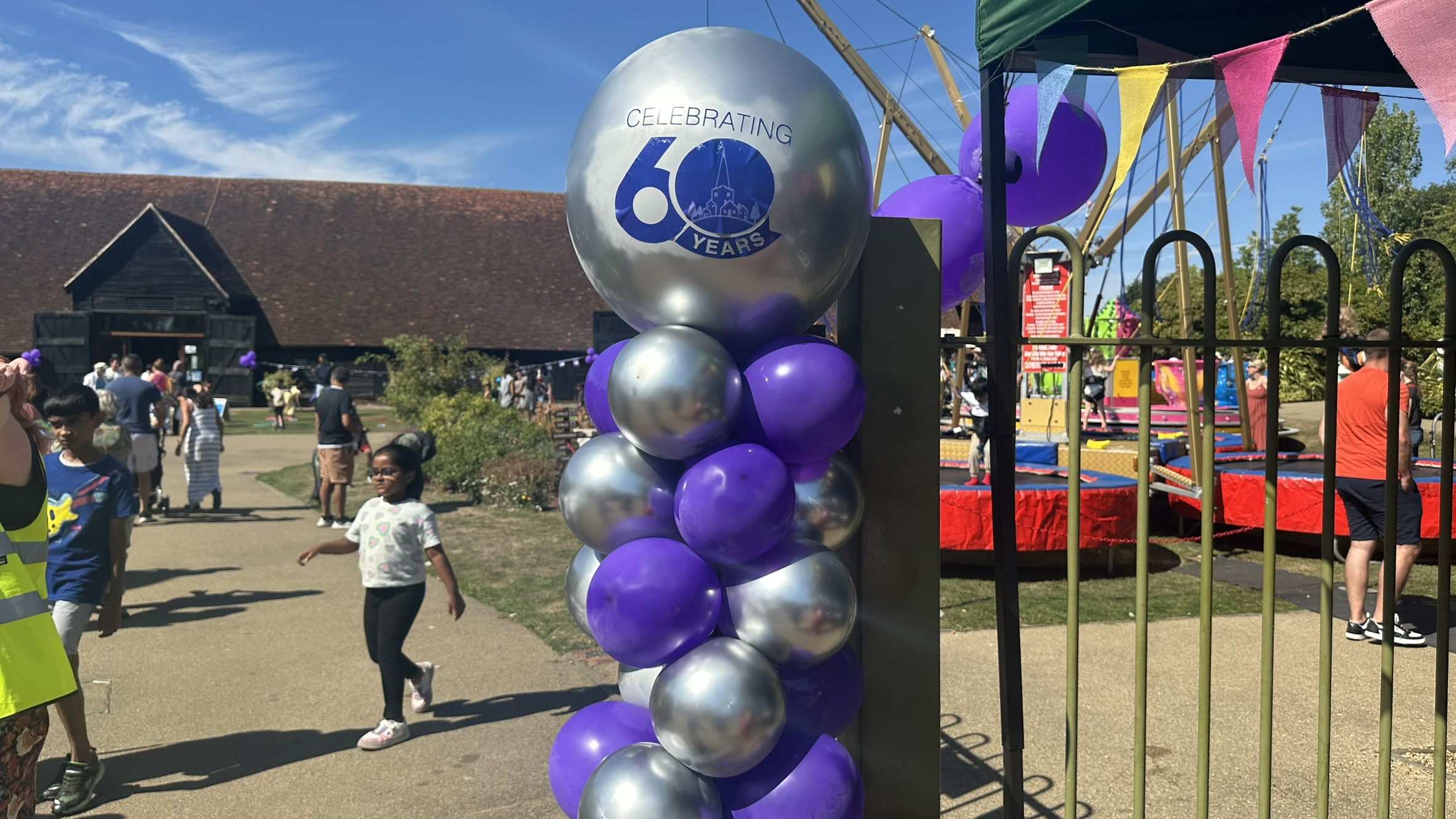
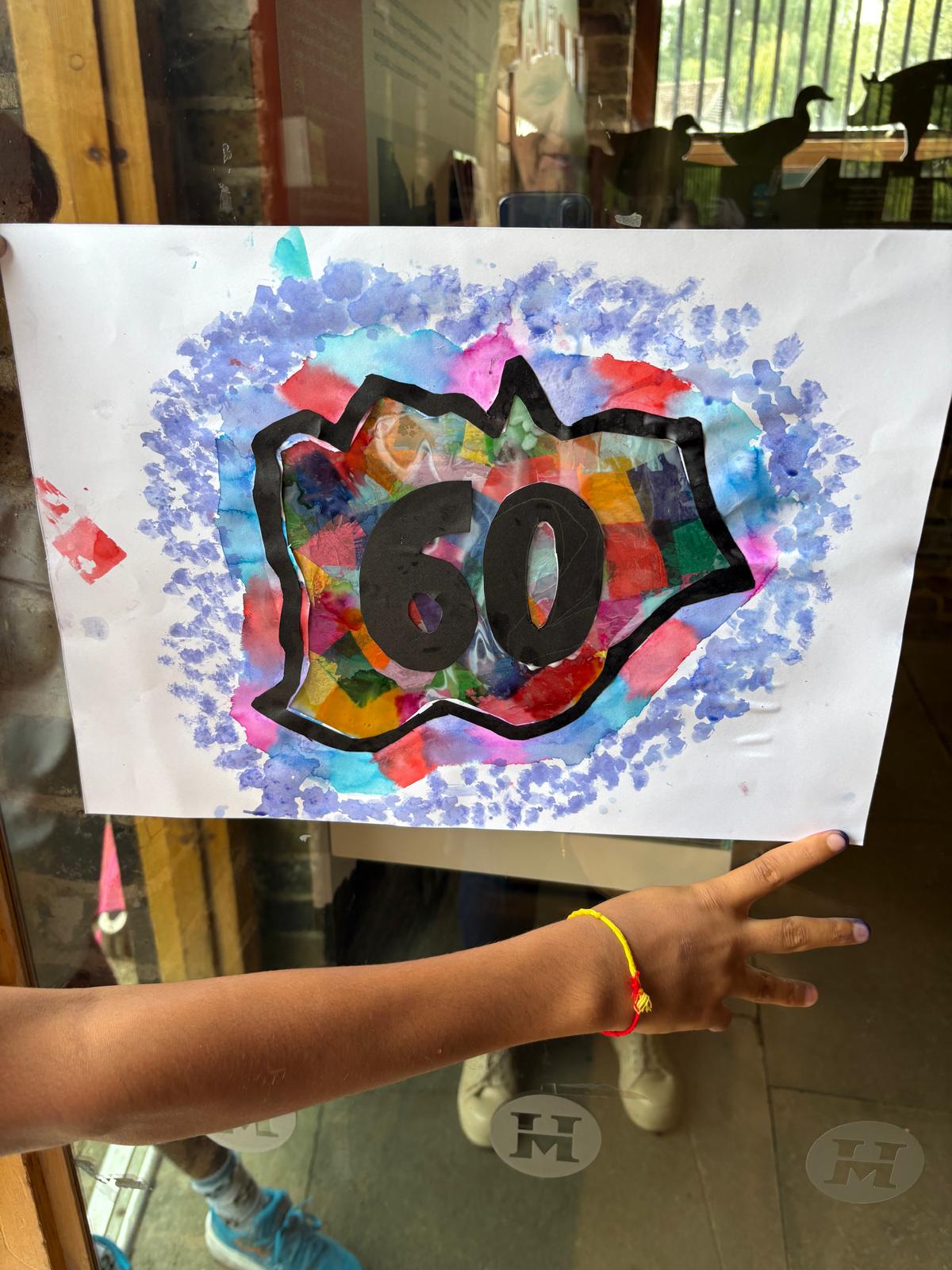
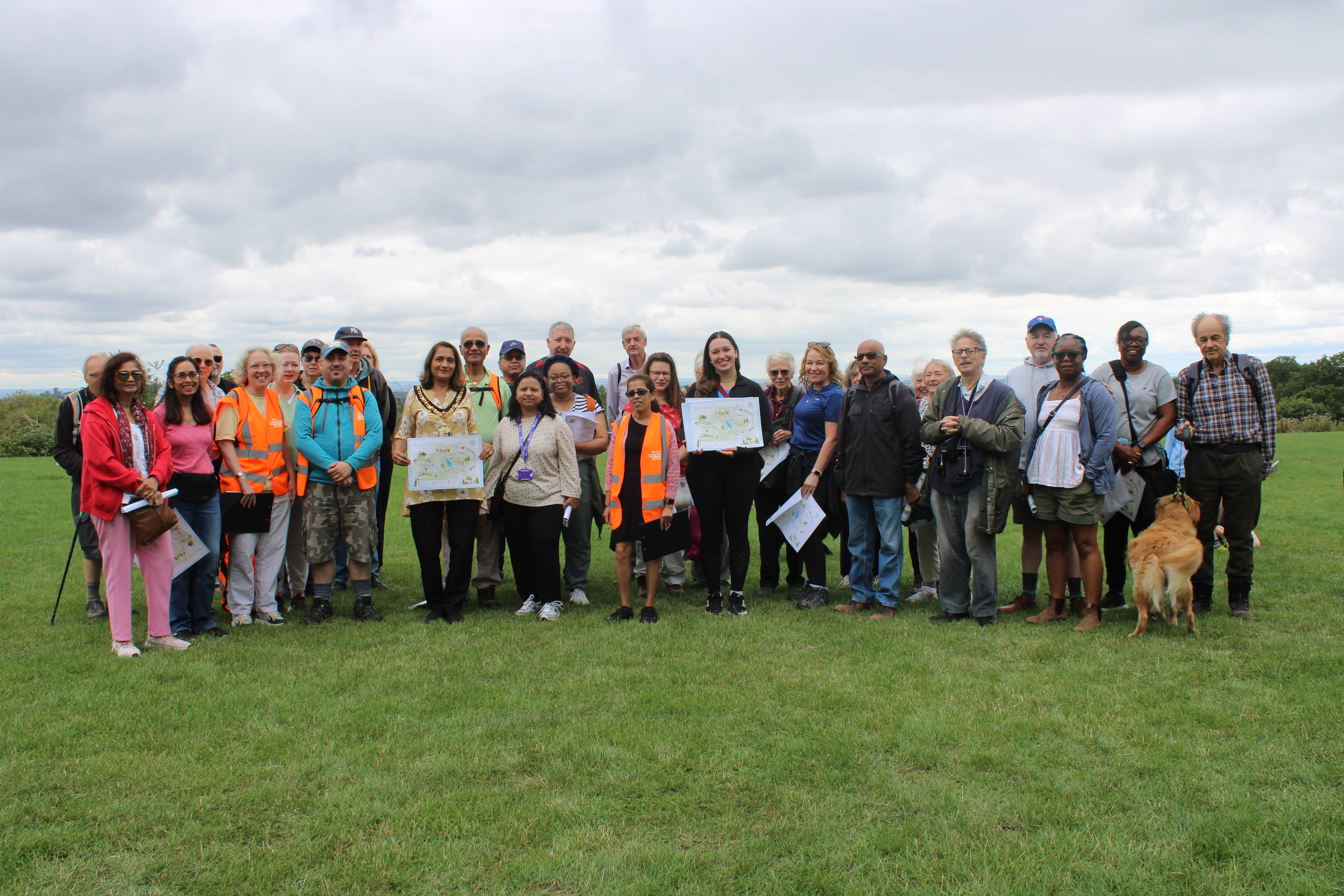
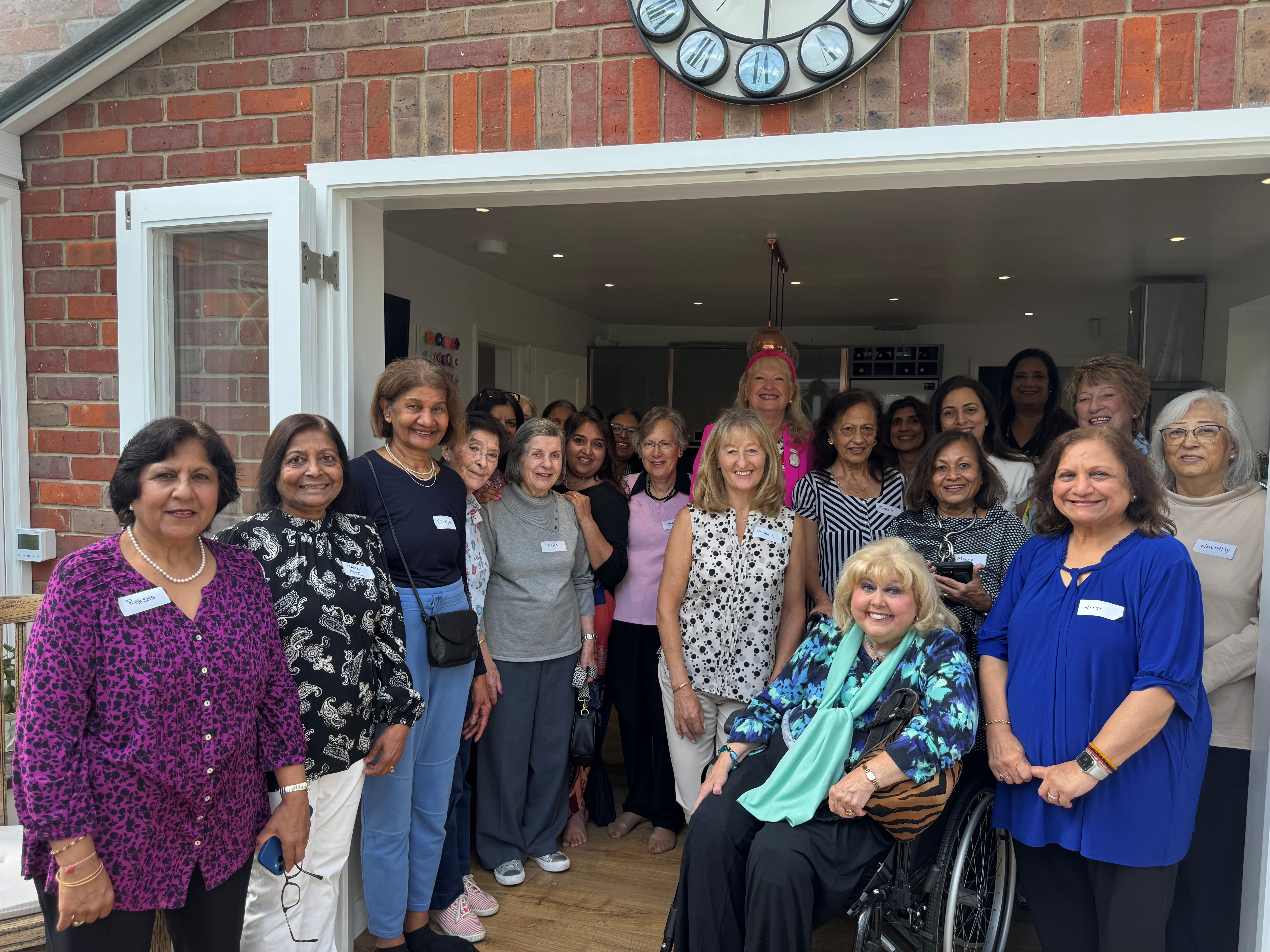
Pictures from left to right: Headstone Village Show, Stained Glass workshop at Headstone Manor Museum, Heritage Trail and Royston Coffee Club
Harrow's Timeline
For the Diamond Anniversary, we reflected on the remarkable transformations Harrow has undergone during those 60 years. From The Who performing at Churchill Hall and the bustling Kodak factory in Wealdstone, to today’s culturally diverse community, award-winning parks, and excellent schools, Harrow has continually evolved while preserving its unique character.
Looking back reminds us of the strong community bonds we share. Our history, our heritage, our arts, our culture – our past and our future. We’re proud to call Harrow our home.
Pre-1960
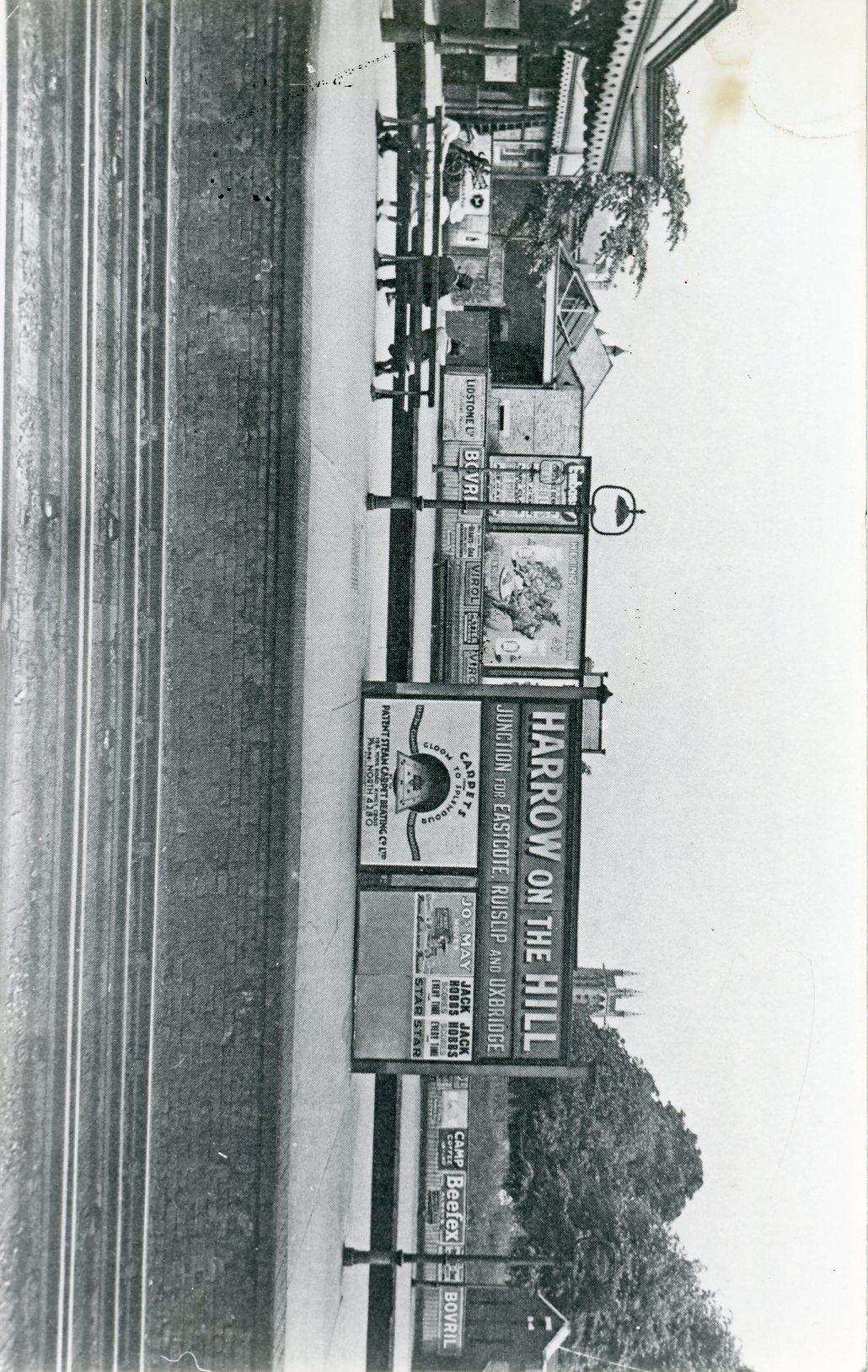
Harrow on the Hill station pictured in 1933
- The Metropolitan Railway opens in 1880
- The modern town centre of Harrow developed at the foot of the hill, in an area historically called Greenhill
- 1890, American Eastman Kodak company build large premises in Wealdstone
- 1914 department store; Sopers opened on Station Road - the future ‘Debenhams’
1960s
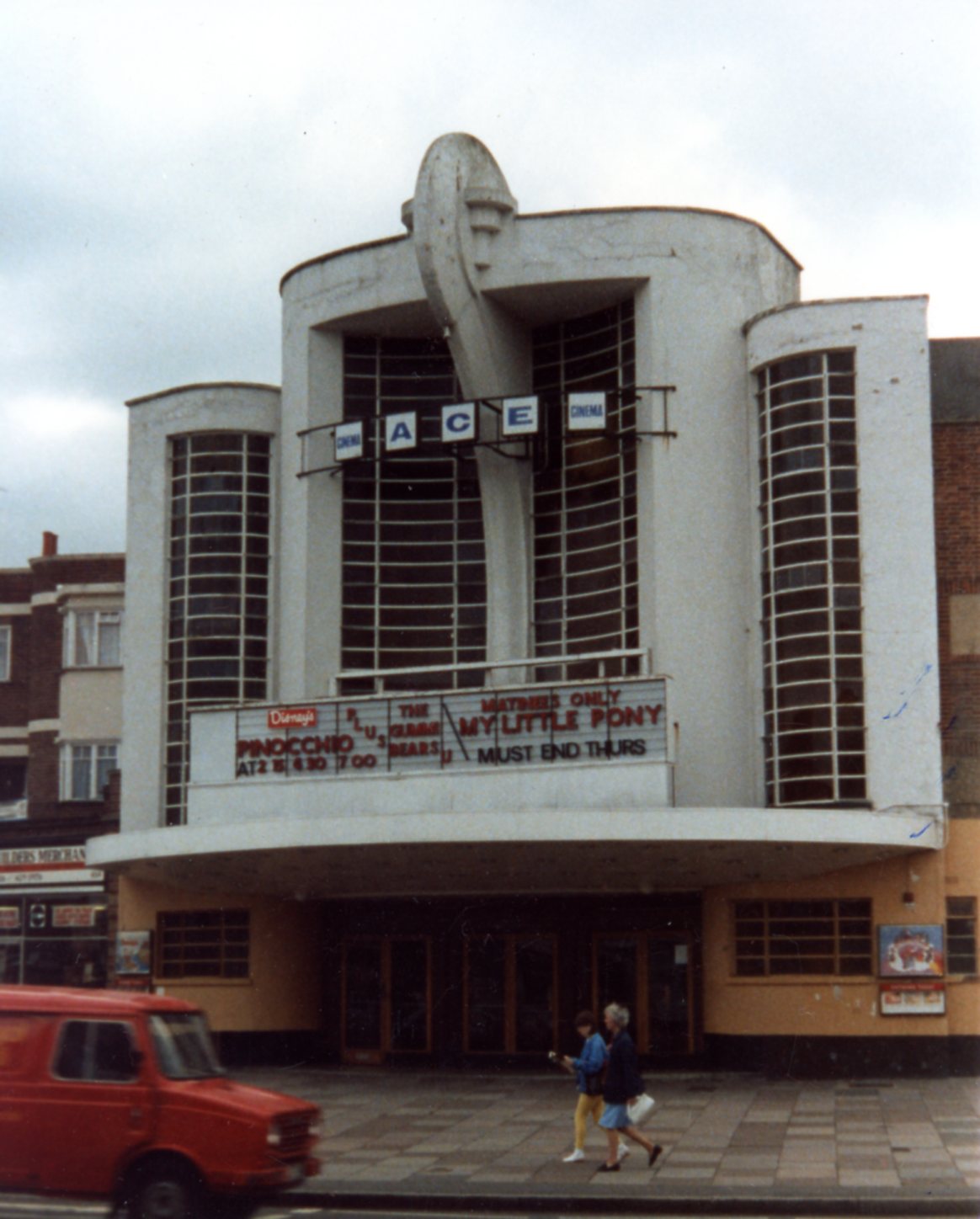
The ACE cinema pictured in 1986, was part of a thriving cinema culture in the 1960s
- London Borough of Harrow was established on 1 April 1965, under the London Government Act 1963, when it transitioned from Middlesex to Greater London
- Metro-land expands with the metropolitan line, boosting links to the capital
- The renowned leader in photography during this period; Kodak sets its HQ in Harrow, becoming a major employer in Harrow
- Harrow Town Centre evolves: Big chains like Debenhams arrive
- 1952 Harrow and Wealdstone rail disaster leads to national safety reforms
- Cinema culture thrives from Dominion and ABC to Safari Cinema
1970s
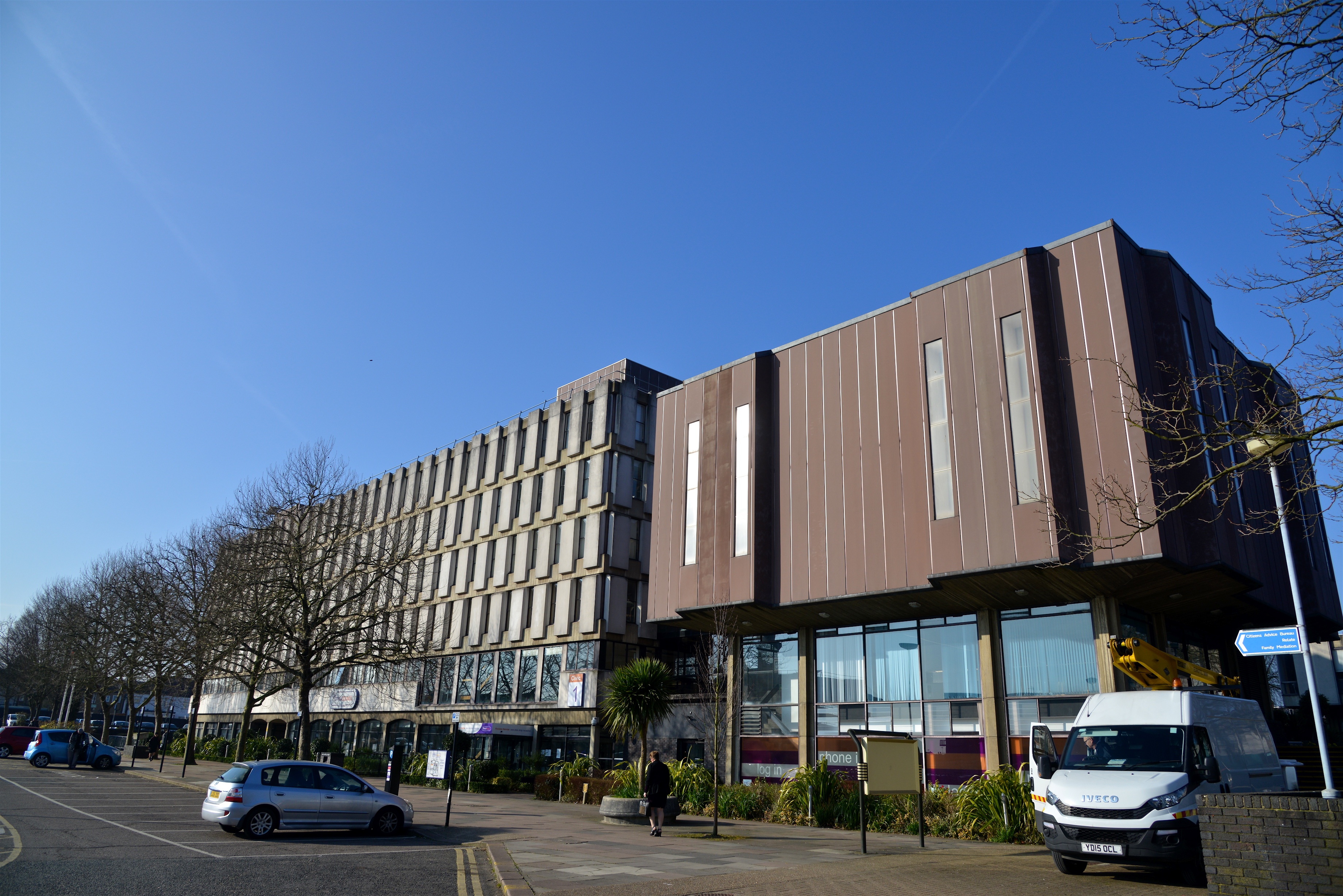
The Civic Centre building pictured in the 2010s was opened in 1973
- Expansion of housing estates such as Grange Farm, Mill Farm and Rayners Lane and suburban development continued
- 1973: Harrow’s Civic Centre opens as the council’s headquarters
1980s
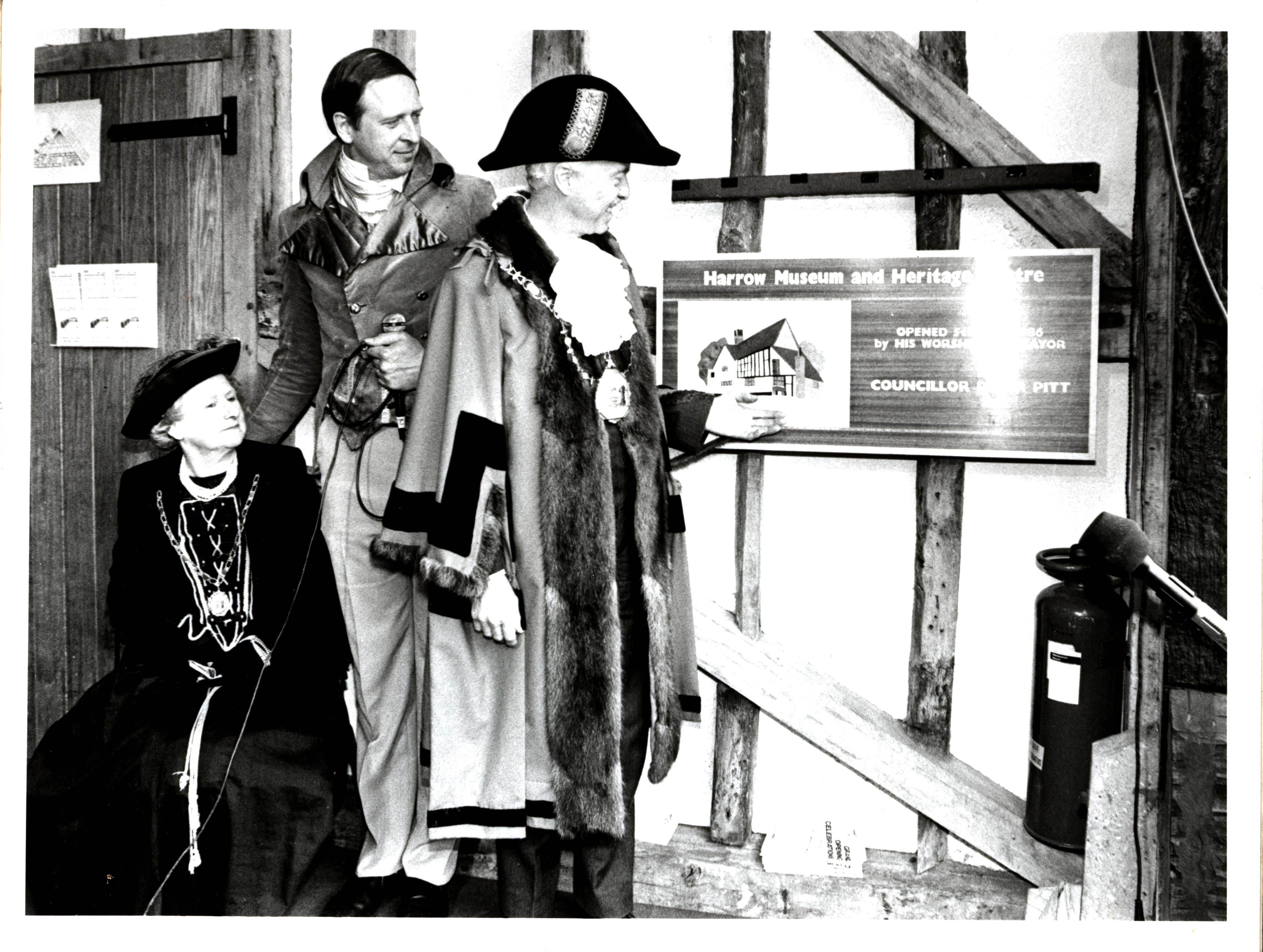
The opening of the Harrow Museum and Heritage Centre in 1986
- 1988: Harrow Arts Centre - formerly the Royal Commercial Traveller School - becomes a cultural hub offering theatre, music, arts and more
- Elliot Hall is given Grade II listed building status in 1983
- 1986: Headstone Manor Museum opens, offering locals a chance to explore Harrow’s medieval past. It would later go through restoration works
- Princess Diana opens St Ann’s Shopping Centre in 1987
1990s
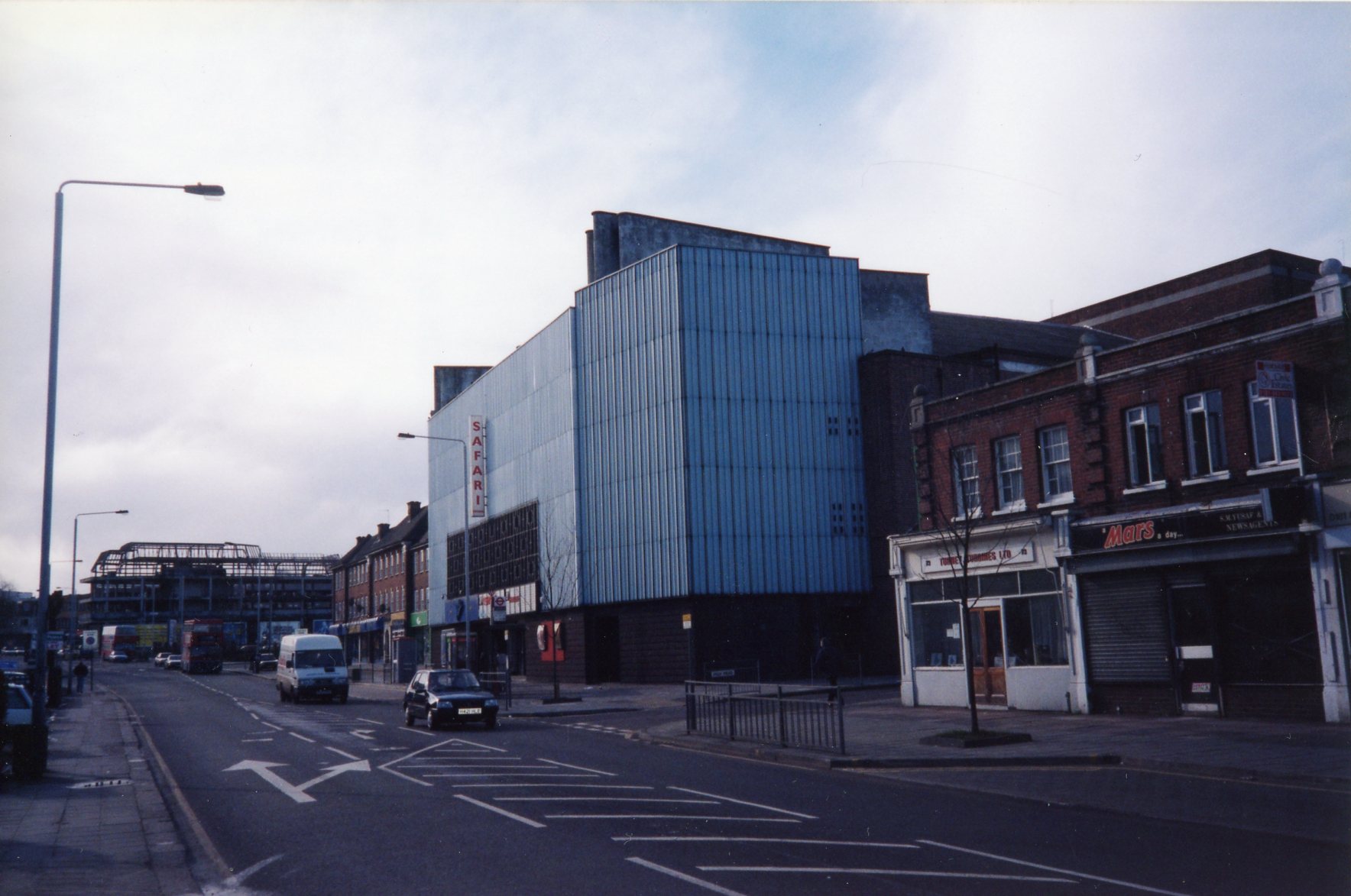
The Safari cinema screened Bollywood films for Harrow's growing South Asian community in the 1990s
- Harrow becomes one of the most multi-cultural boroughs with growing South Asian communities. The borough prides itself in being one of the most culturally and religiously diverse boroughs in the country.
- Education expands with new academies and Harrow college opening in 1999
2000s
- Major regeneration projects begin: Harrow Square and Lyons Square
- St Ann’s and St George’s shopping centre go through an upgrade
2010s
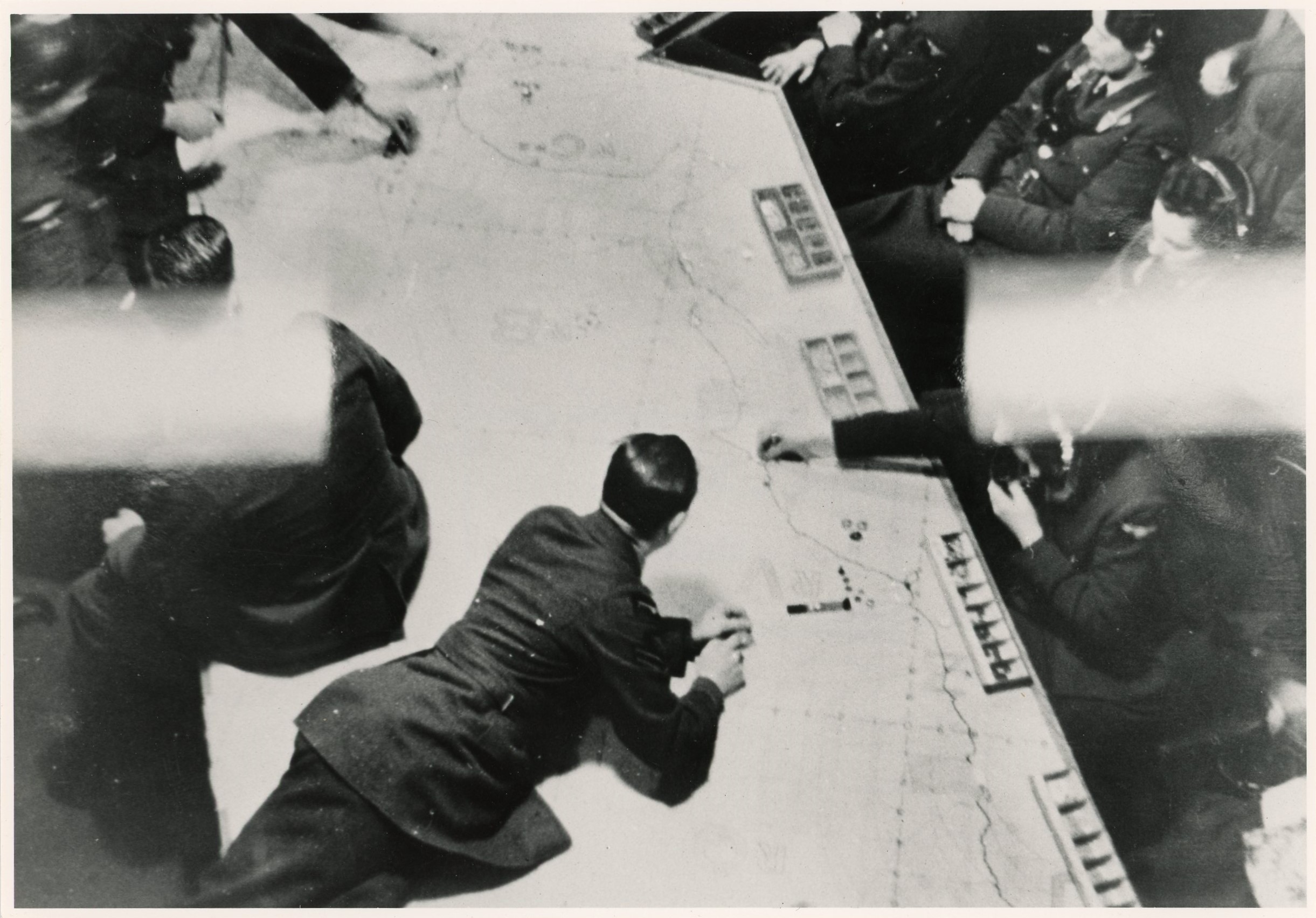
The Bentley Priory, pictured in 1940, opened to the public in 2013
- The council’s £600m regeneration programme to create new homes, schools, and public spaces
- Award-winning Green Flag parks in recognition
- Bentley Priory Museum officially opens to the public highlighting its Royal Air Force (RAF) role during the Battle of Britain
- The work of William Heath Robinson, and his playful illustrations continue to inspire at the museum which opened in 2016
- Harrow named best business friendly borough for SME’s and entrepreneurs to start up
- Olympic Torch travels through Harrow in the lead up to the London 2012 games
- Digital infrastructure upgraded: roll-out of faster broadband, new full-fibre networks, and the modernisation of council services to support residents and local businesses
2020s
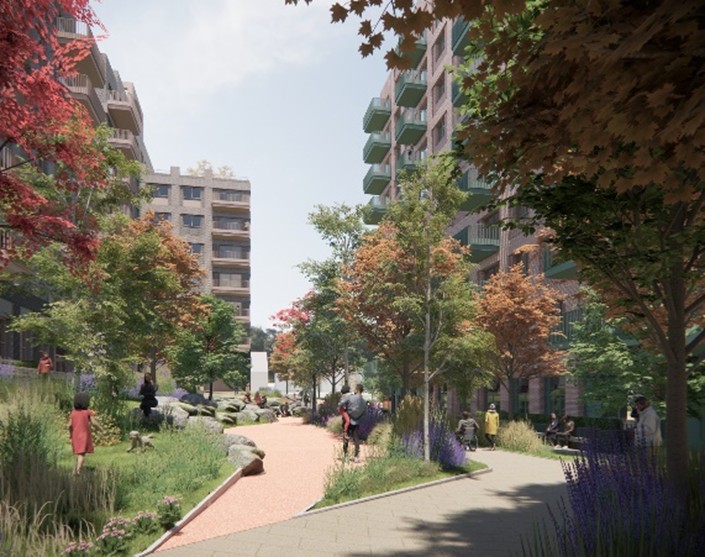
An artist's impression of the Poets' Corner regeneration project
- 2025: Population ~270,000; median age 37.8, with 45% Asian, 36% White, and growing Black and mixed communities
- Regeneration of key sites take place including:
- Poets’ Corner
- Tesco Towers proposal
- Restoration of Safari Cinema as The Metro
- The Government approved plans for a new SEND school at the Ridgeway
- A growing economy with over 15,000 businesses across health, education, retail, and a number of small local businesses in IT and digital services
- In 2023 the council rebranded itself back to its original name of London Borough of Harrow – as part of its vision to restore pride and linking back to its history and heritage